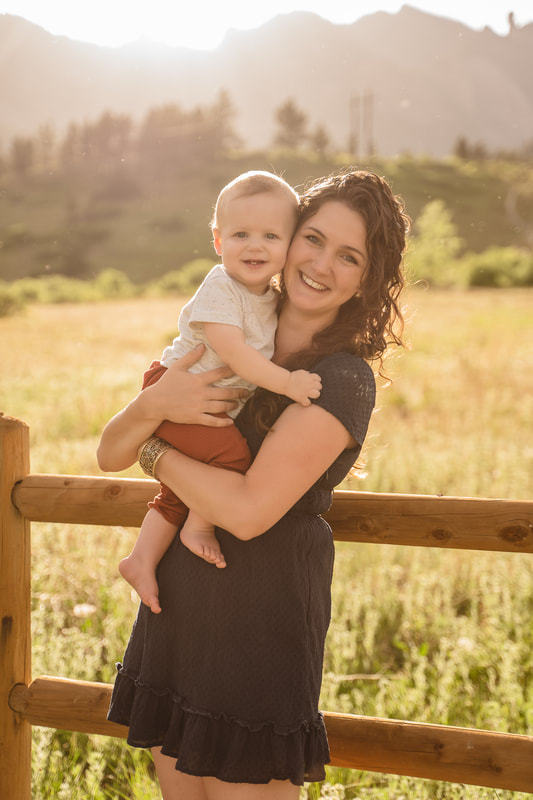
ABOUT MEG
Meg Hermann
|
Meg completed her Master of Science in Speech Pathology with an extra +30 credit hour specialization in literacy from MGH Institute of Health Professions in Boston, MA. This program is 1 of only 25 in the country (at press) accredited by the International Dyslexia Association with coursework aligning with IDA Knowledge and Practice Standards. Her master's thesis focused on the language-literacy continuum.
Meg worked for two years at a neuroscience lab at M.I.T. and even got to help take some of the first pictures of a reading brain using MRI! Her love for all things literacy continued as a speech-language pathologist at Seattle Children's Hospital. In 2019, she founded Sea Lion Speech Therapy in Washington and Colorado to help children reach their potential in language and literacy. In 2025 Meg moved to Iowa to be near family with her husband, toddler, and energetic preschooler. MASTERS: MGH Institute of Health Professions | Boston MA SPECIALIZATION: Literacy, Childhood Apraxia of Speech MEMBERSHIPS:
CERTIFICATIONS & NOTABLE CONTINUING EDUCATION:
|

VISIT OUR OFFICE
3408 Woodland Avenue
Suite 401B
West Des Moines, IA 50265
Suite 401B
West Des Moines, IA 50265
WHY SEA LIONS ?
Did you know sea lions are among the most social and communicative animals on earth?
Sea lions are primarily vocal communicators. Moms and pups even have their own special call. They also excel in non-verbal communication by using breath and body language to form bonds .
Sea Lion Speech and Dyslexia Therapy began in magical Seattle, where it was easy to find a sea lion to admire. Now that Meg is back in her midwestern roots, the name remains in celebration of these incredible creatures.
Sea lions are primarily vocal communicators. Moms and pups even have their own special call. They also excel in non-verbal communication by using breath and body language to form bonds .
Sea Lion Speech and Dyslexia Therapy began in magical Seattle, where it was easy to find a sea lion to admire. Now that Meg is back in her midwestern roots, the name remains in celebration of these incredible creatures.
FAQ
What are your hours?
We are currently accepting clients 9am-5pm Monday, Tuesdays, Wednesdays, and some Fridays.
Do you take insurance?
We contract with most plans under Wellmark Regence Blue Shield, Premera Blue Cross, and Midlands Choice. At this time, we do not bill insurance outside of these but are happy to provide coded invoices. Some insurances may reimburse for portions of speech or language testing, but typically not educational testing. Always check with your insurance provider for policy and coverage questions.
WHAT is a speech language pathologist?
Speech-Language Pathologists assess, diagnose, and treat speech, language, literacy, social communication, cognitive-communication, and swallowing disorders in children and adults.
SLPs typically have both state and national licenses.
Given the critical role of speech and spoken language when learning to read, children who have a speech or language disorder are at increased risk for a reading disorder. SLPs with extensive training in literacy make ideal professionals to work with reading disorders.
Read more here.
SLPs typically have both state and national licenses.
Given the critical role of speech and spoken language when learning to read, children who have a speech or language disorder are at increased risk for a reading disorder. SLPs with extensive training in literacy make ideal professionals to work with reading disorders.
Read more here.
What are the different kinds of reading disorderS?
“Dyslexia is a specific learning disability that is neurobiological in origin. It is characterized by difficulties with accurate and/or fluent word recognition and by poor spelling and decoding abilities. These difficulties typically result from a deficit in the phonological component of language that is often unexpected in relation to other cognitive abilities and the provision of effective classroom instruction. Secondary consequences may include problems in reading comprehension and reduced reading experience that can impede growth of vocabulary and background knowledge.”
Some readers can "sound out" just fine, but have difficulty quickly and accurately identifying words. Other readers may have difficulties solely in understanding the content of what they read, a language or executive functioning disorder that manifests in reading, or they may have reading difficulties after a brain injury.
The source of reading difficulty should dictate the kind of intervention a child receives.
When should a child be evaluated for a speech, language or literacy disorder?
"Wait and see" is not professionally recommended. In fact, as children move from learning to read to reading to learn, they may start experiencing frustrations in other subject areas that were once enjoyable as those subjects rely more on textbooks, written tests, and articles. Gone unchecked, language and literacy disorders can impact a child on the playground, the classroom, and the workplace.
Sign pointing to reading disorders can be identified even before a child learns to apply "b says buh".
Read more about milestones here.
Sign pointing to reading disorders can be identified even before a child learns to apply "b says buh".
Read more about milestones here.